



Refurbishment in Dubai’s Hotel Sector: A Strategic Response to Shifting Demand
Dubai is one of the world’s most visited cities, underpinned by its position as a global hub and the constant flow of international visitors. In 2025, the city welcomed more than 19 million tourists, highlighting the massive scale of demand across the hospitality sector.
With approximately 770 properties offering over 158,700 rooms, the hotel industry is a cornerstone of Dubai’s economy.
However, the escalation of regional conflict in early 2026 has significantly disrupted the tourism landscape, impacting aviation and international traveller sentiment across the Middle East.
How have hotels been affected?
Dubai’s five-star hotels have long operated in a highly competitive environment, consistently investing in service, facilities, and the guest experience.
With fewer international arrivals for leisure and business, there has been a noticeable impact on the hospitality industry across the Middle East. In the current context, many are facing tighter trading conditions, with an increased focus on maintaining occupancy and protecting revenue performance.
The strategic advantage
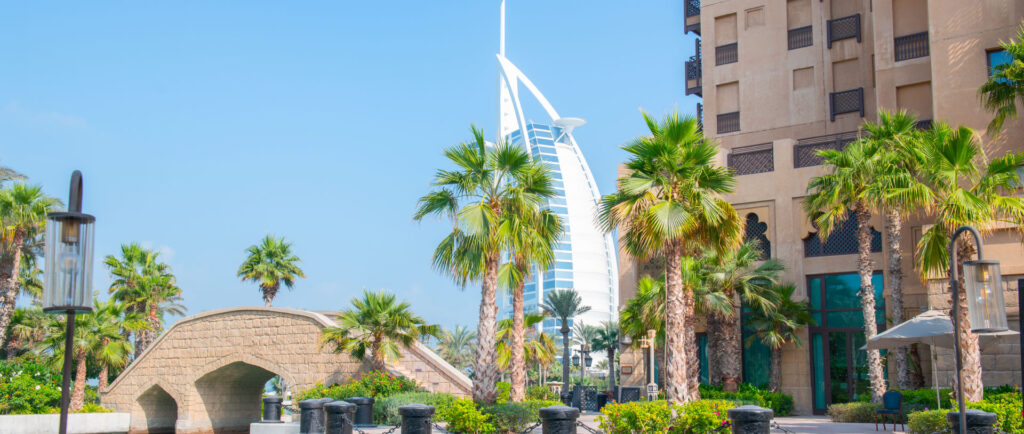
For several properties, strategic refurbishment is the priority – the most prominent example being the temporary closure of the Burj Al Arab. As a landmark of modern luxury, the hotel recently announced it would shut its doors for an 18-month renovation – the first such closure since its opening in 1999. The project is expected to cover structural updates, interior redesign, and service area improvements.
Other premium properties are following this trend. The Armani Hotel is undergoing a comprehensive refurbishment targeting a Q4 2026 return, while the Park Hyatt Dubai, St. Regis The Palm, Anantara World Islands Resort, Radisson Blu, and the JW Marriott Marquis are all slated for various refurbishment works. Atlantis Dubai has also paused operations at seven restaurants across its properties to facilitate a “citywide upgrade.”
Industry executives expect more luxury properties to utilise this period and the approaching summer “low season” to enhance their portfolios.
Why timing has become a critical factor
Refurbishment strategies vary depending on operational priorities. In many cases, hotels remain open while works are carried out in phases under strict timelines to minimise disruption. While this approach supports continued revenue generation, it can extend overall project timelines due to operational constraints.
In contrast, full closures, such as that of the Burj Al Arab, allow for a more comprehensive and operationally efficient renovation. Although these projects typically require a longer timeframe, they enable works to be completed without impacting the guest experience.
Periods of reduced occupancy can also support broader improvements, including upgrades to energy-efficient systems, ventilation, lighting, and water usage. These enhancements can contribute to lower long-term operating costs while improving overall asset performance.
Lessons from international markets
In other markets experiencing disruption, hotels have often adapted their strategies to maintain operations and support recovery. While circumstances differ, a common approach has been to reposition assets, attract alternative demand sources, and carry out necessary upgrades during periods of reduced activity.
For example, following periods of instability, markets such as Egypt and Croatia saw hotels undertake refurbishment and repositioning strategies as part of broader recovery efforts. In many cases, renovation activity aligned with downturns, allowing properties to relaunch with enhanced offerings as demand returned.
Our expertise
As hotels across Dubai respond to a more moderated demand environment, refurbishment decisions are becoming increasingly strategic, balancing timing, capital allocation, and long-term asset positioning.
Cavendish Maxwell’s Built Asset Consulting and Strategic Consulting team supports hotel owners and investors in navigating this process, providing end-to-end advisory across the full lifecycle of real estate assets, from initial feasibility and technical due diligence through to project delivery and operational handover.
Get in touch with us to learn more about how we can support your refurbishment and asset optimisation requirements.